
HONOURABLE MENTION
2025 // PHOTO ESSAY
Mikael And Amanda
The Tsaatan
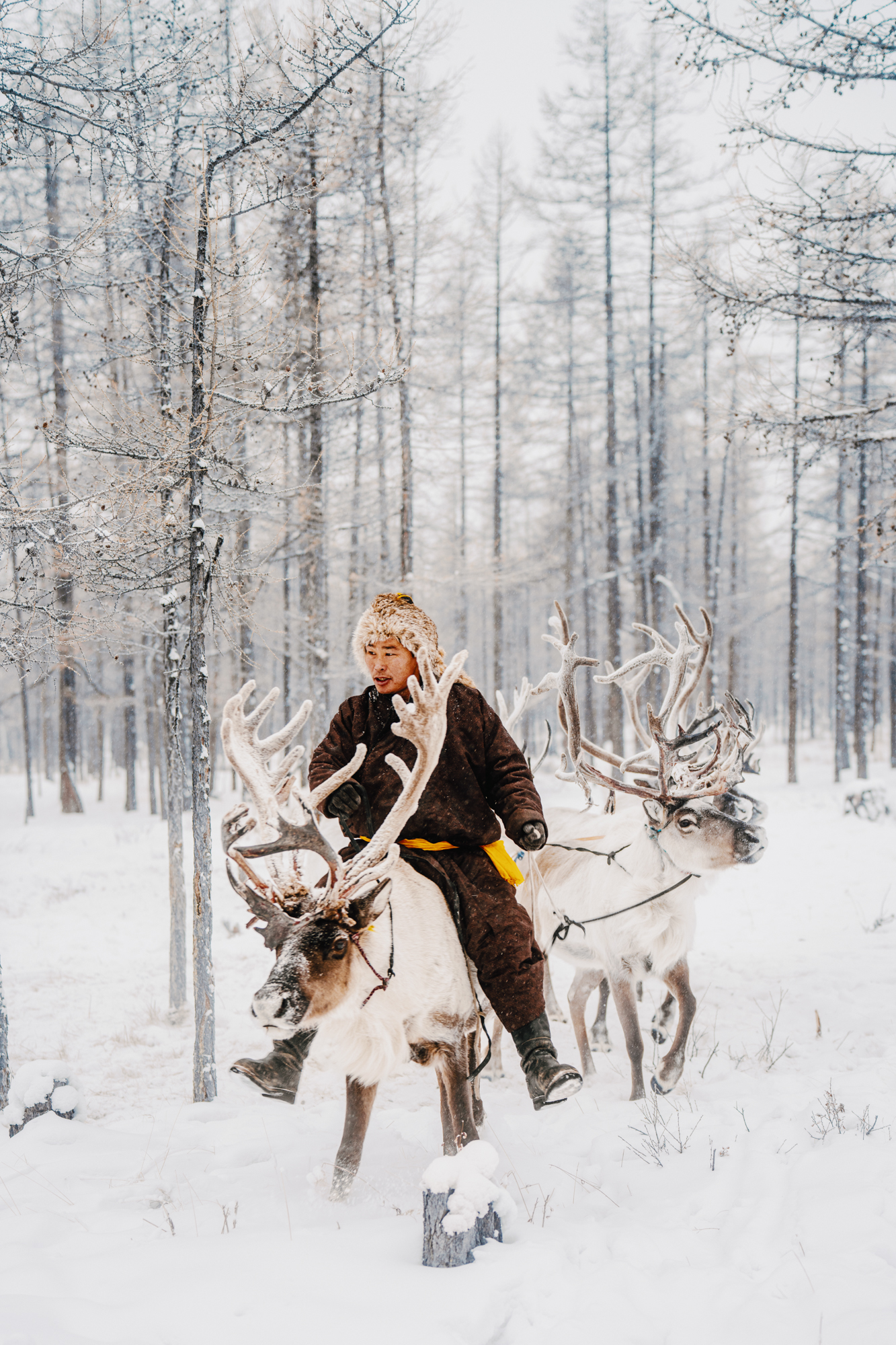
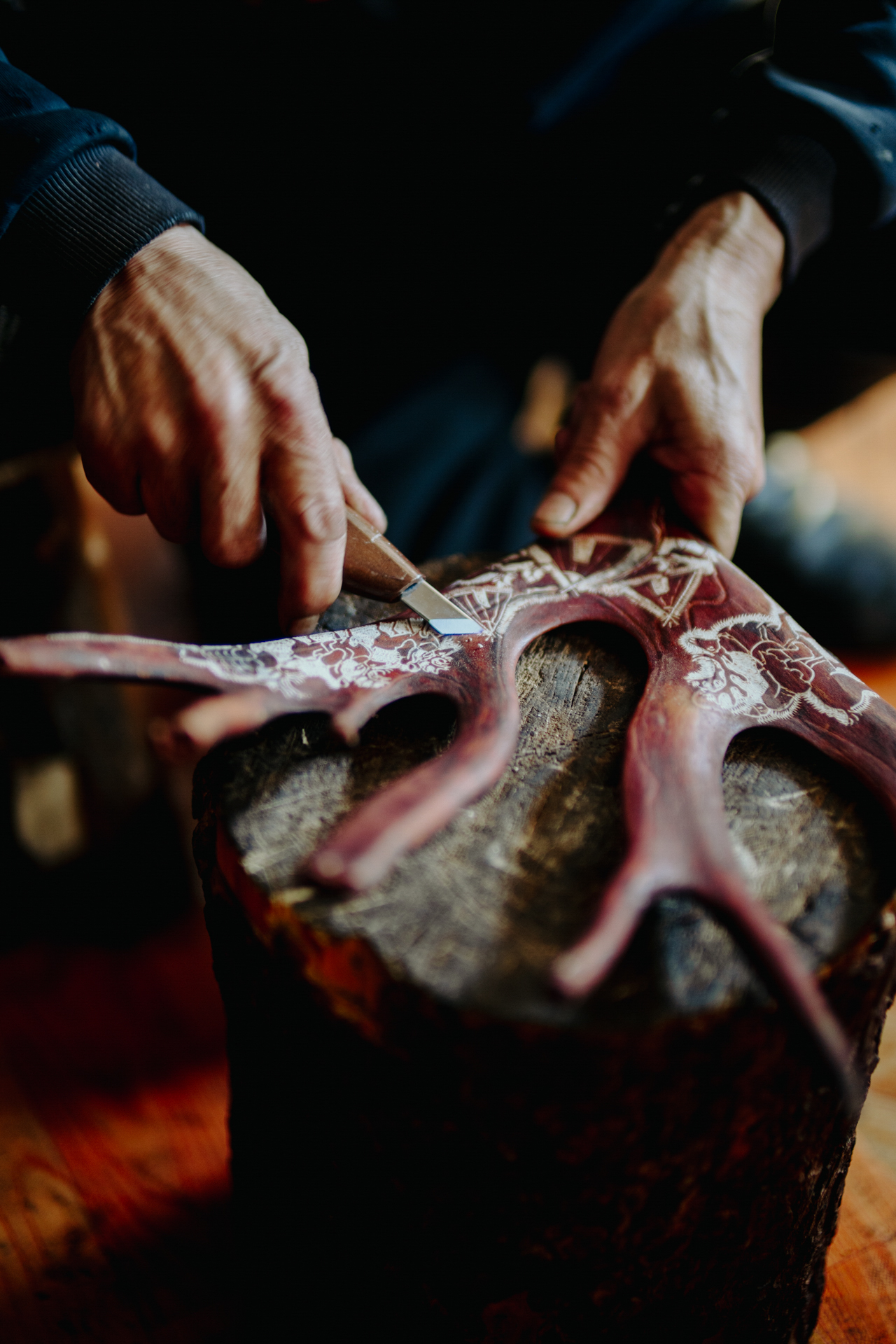
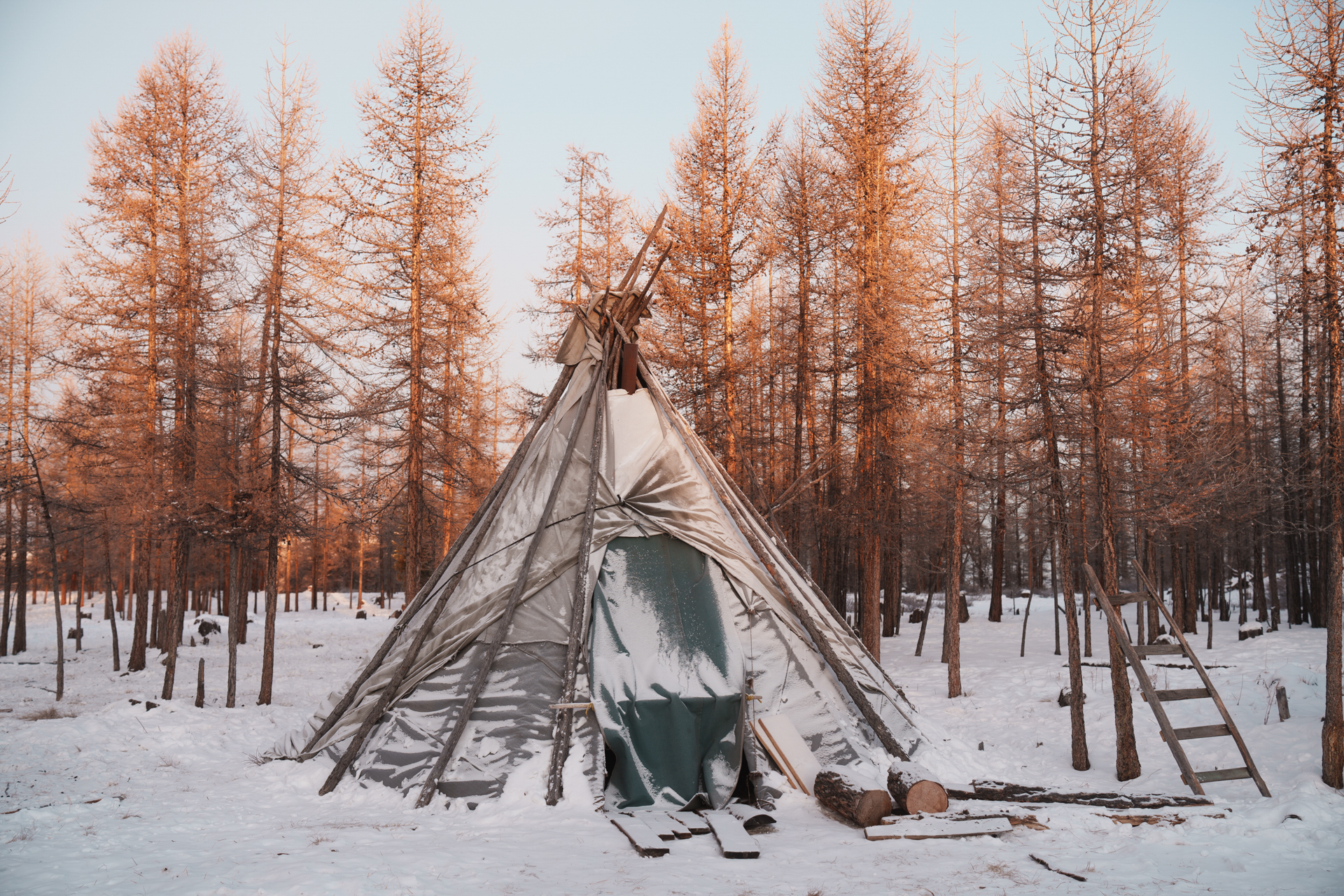
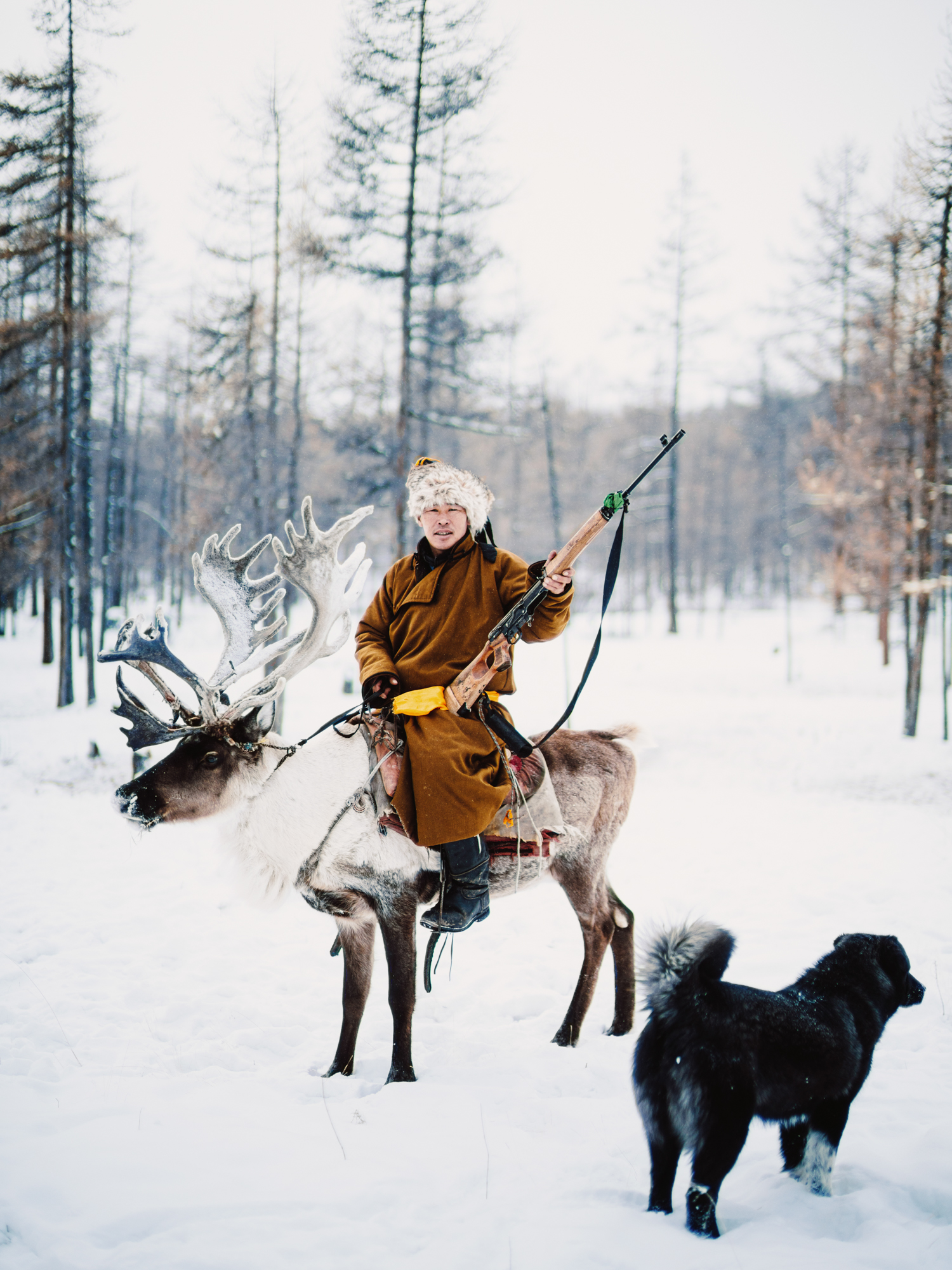
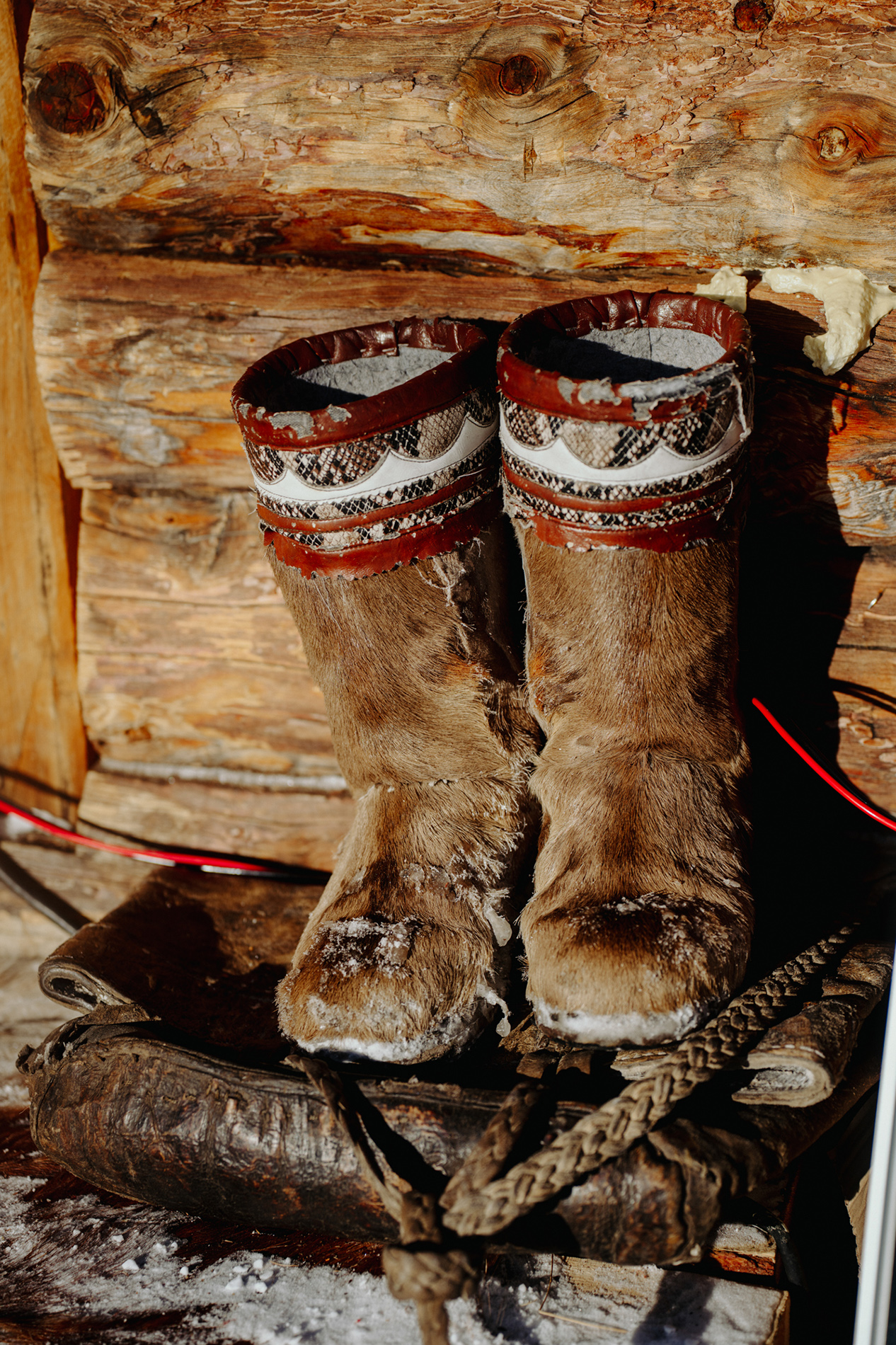
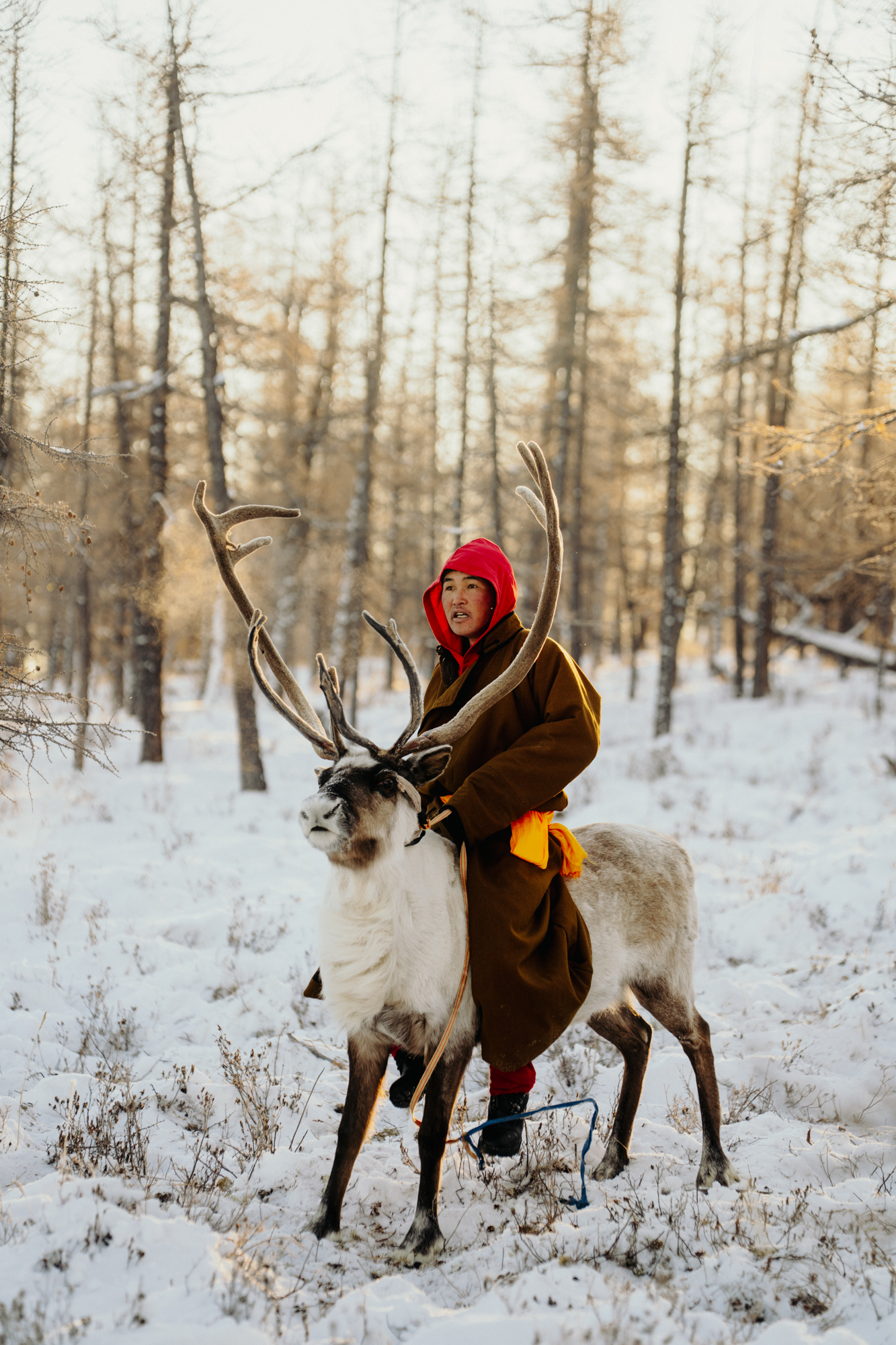
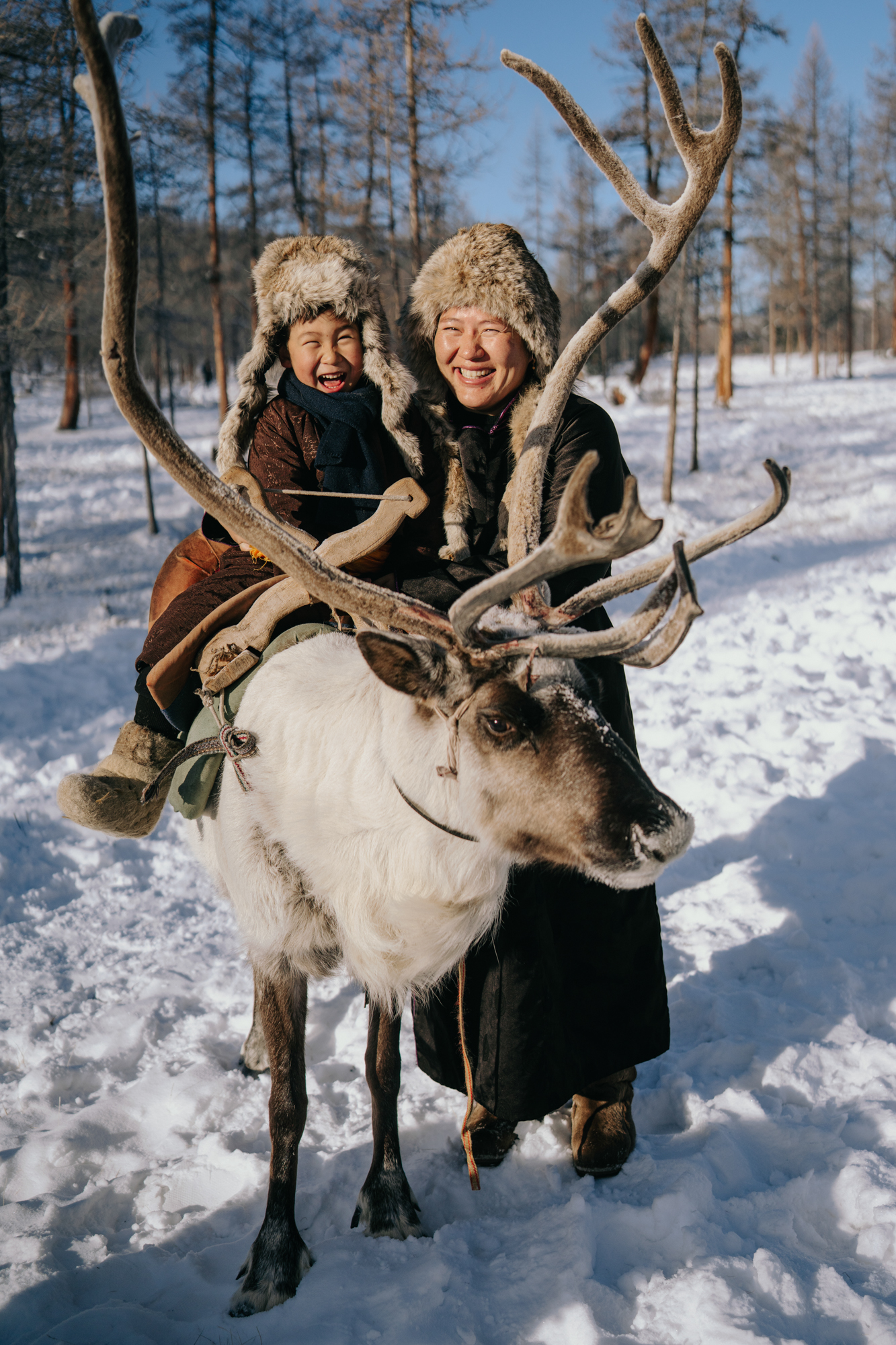
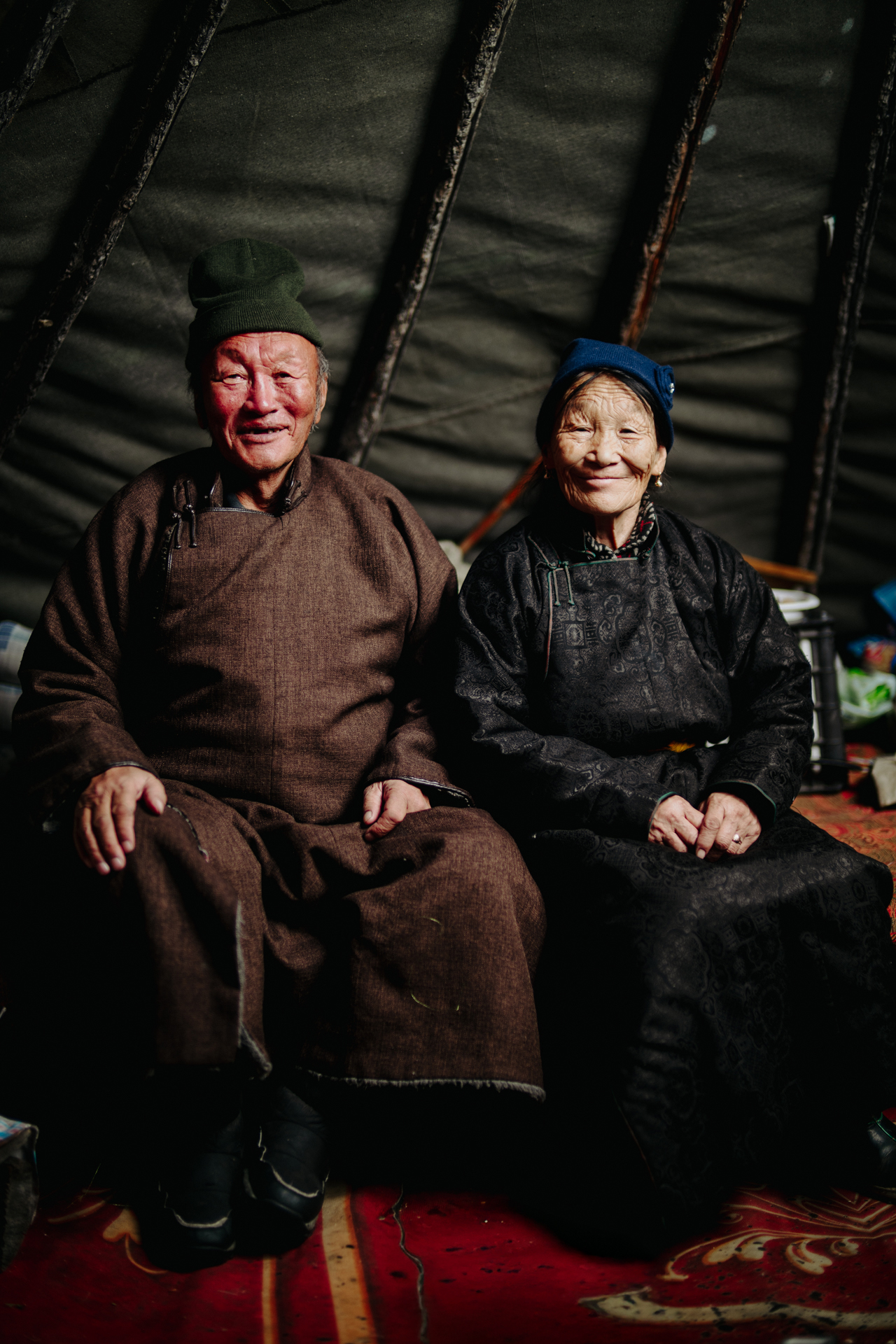
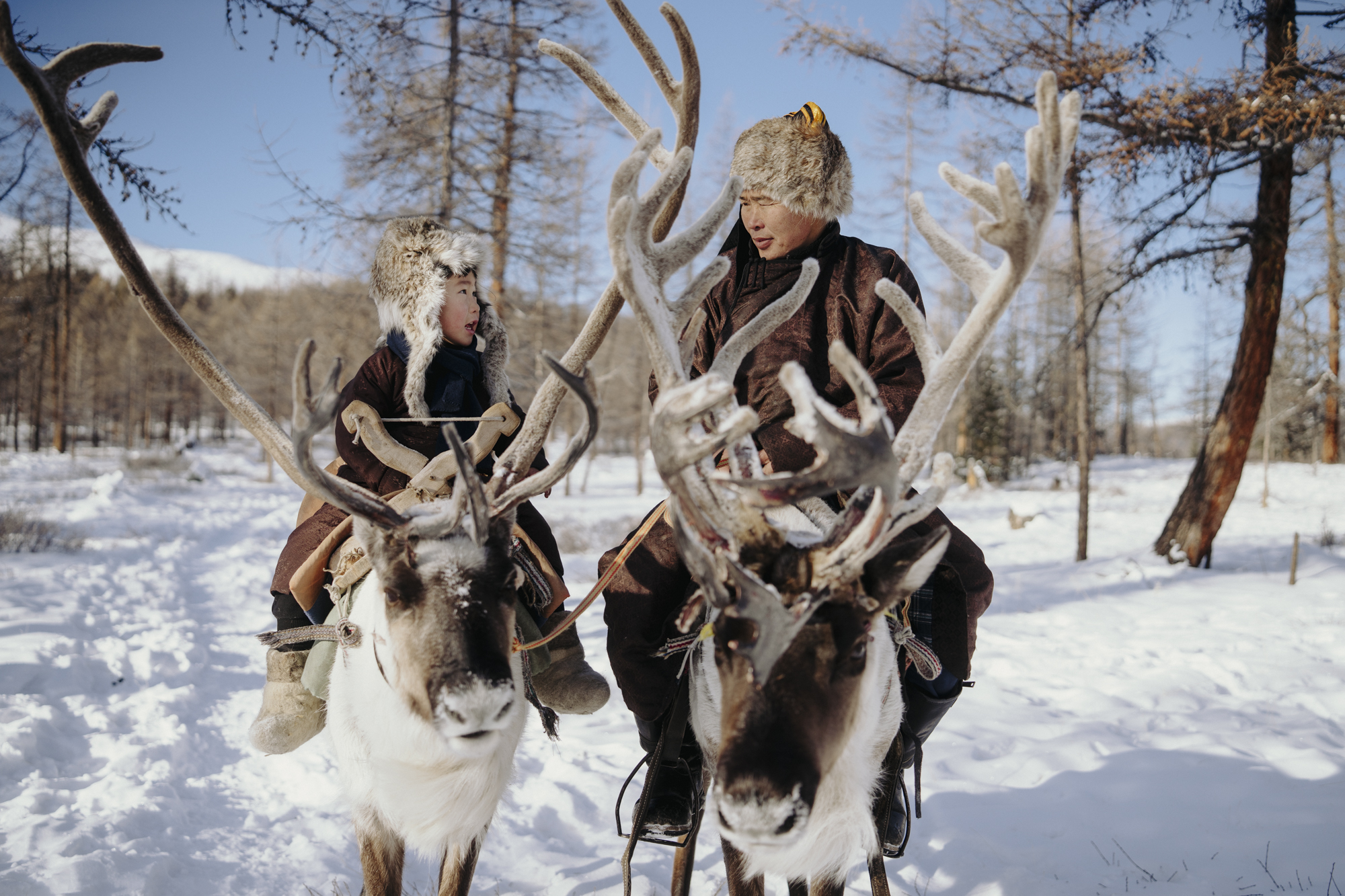
This photo essay is a collection of portraits made during our time living with the Tsaatan people, a nomadic reindeer herding community of the Mongolian Taiga region. We were welcomed into their winter camp and had the honour of staying with Ultsan, one of the tribe’s hunters, his wife Zaya, and their five year old son, Temu.
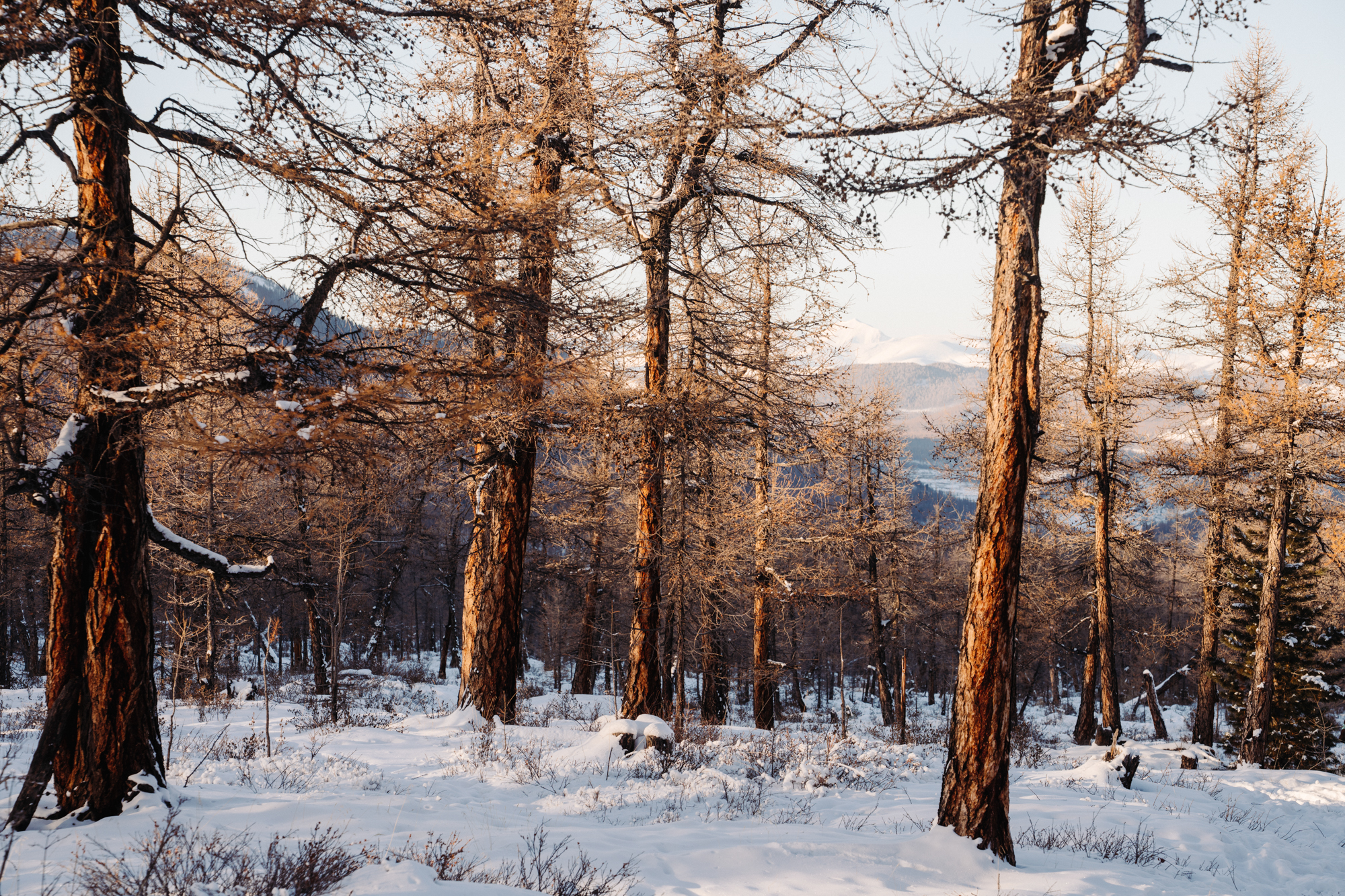
The Tsaatan live deep in the forests of northern Mongolia, just kilometres from the Russian border. Though Mongolian by nationality, they belong to the wider Tuvan ethnic group, whose history and culture stretch from Siberia down into Mongolia. Their lives are shaped by movement. Every few months, families relocate through the wilderness in search of land rich in lichen moss, the primary food source for their reindeer.
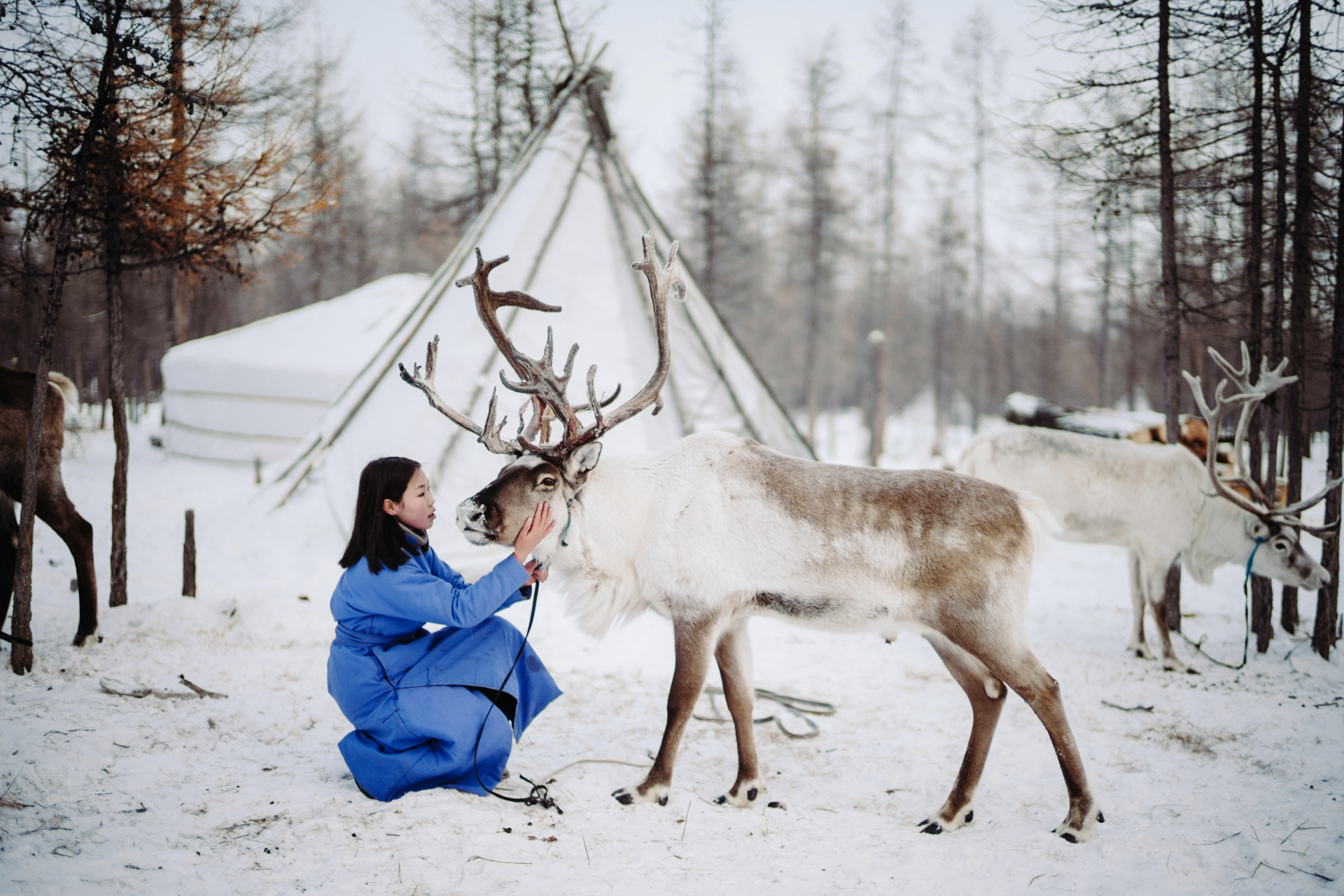
For the Tsaatan, reindeer are not livestock in the conventional sense. They are companions. Each animal is named, raised, and cared for as a member of the family. The bond between human and reindeer is intimate and enduring, unlike that of any other nomadic culture in the world. It is a relationship built on trust, reliance, and shared survival.
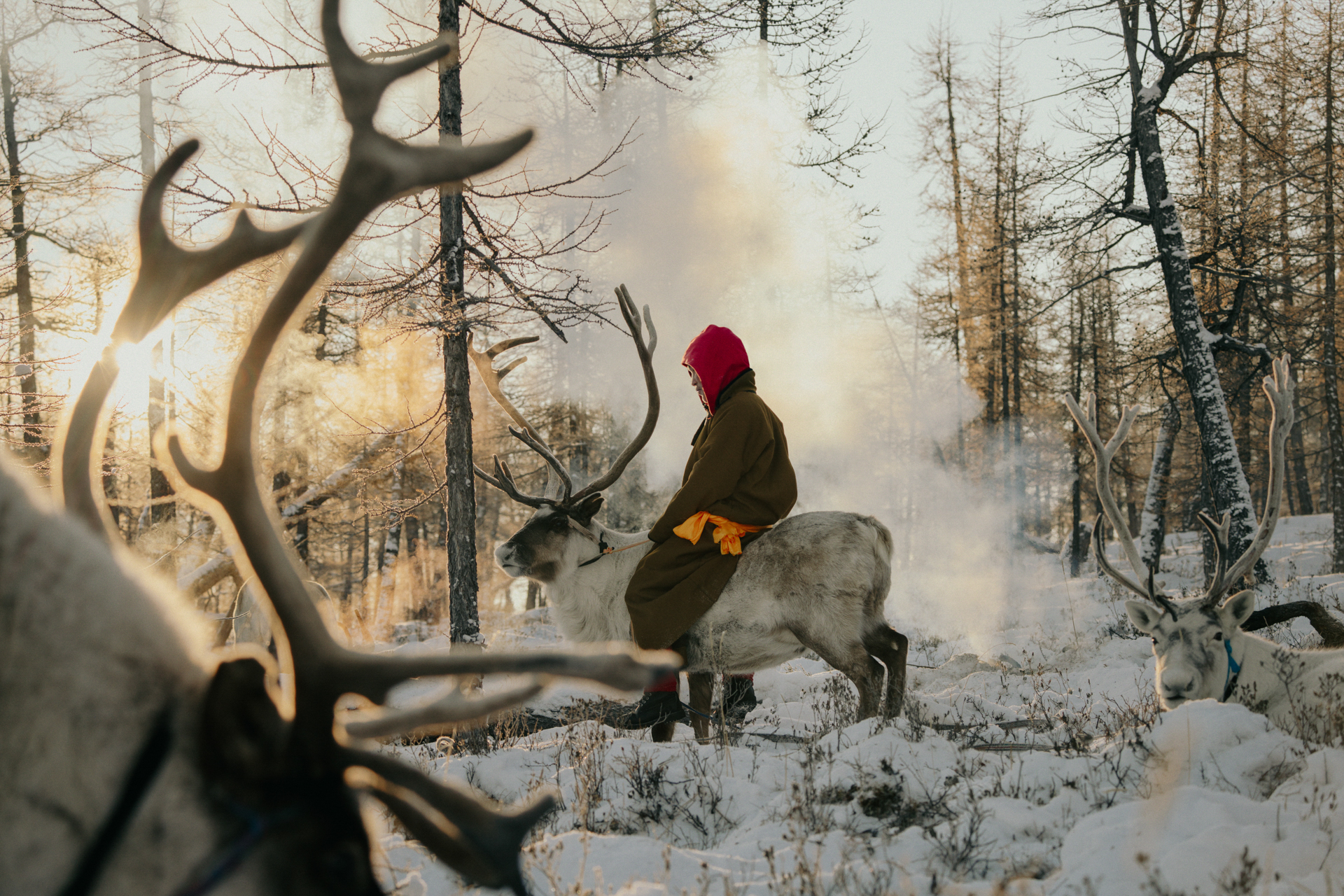
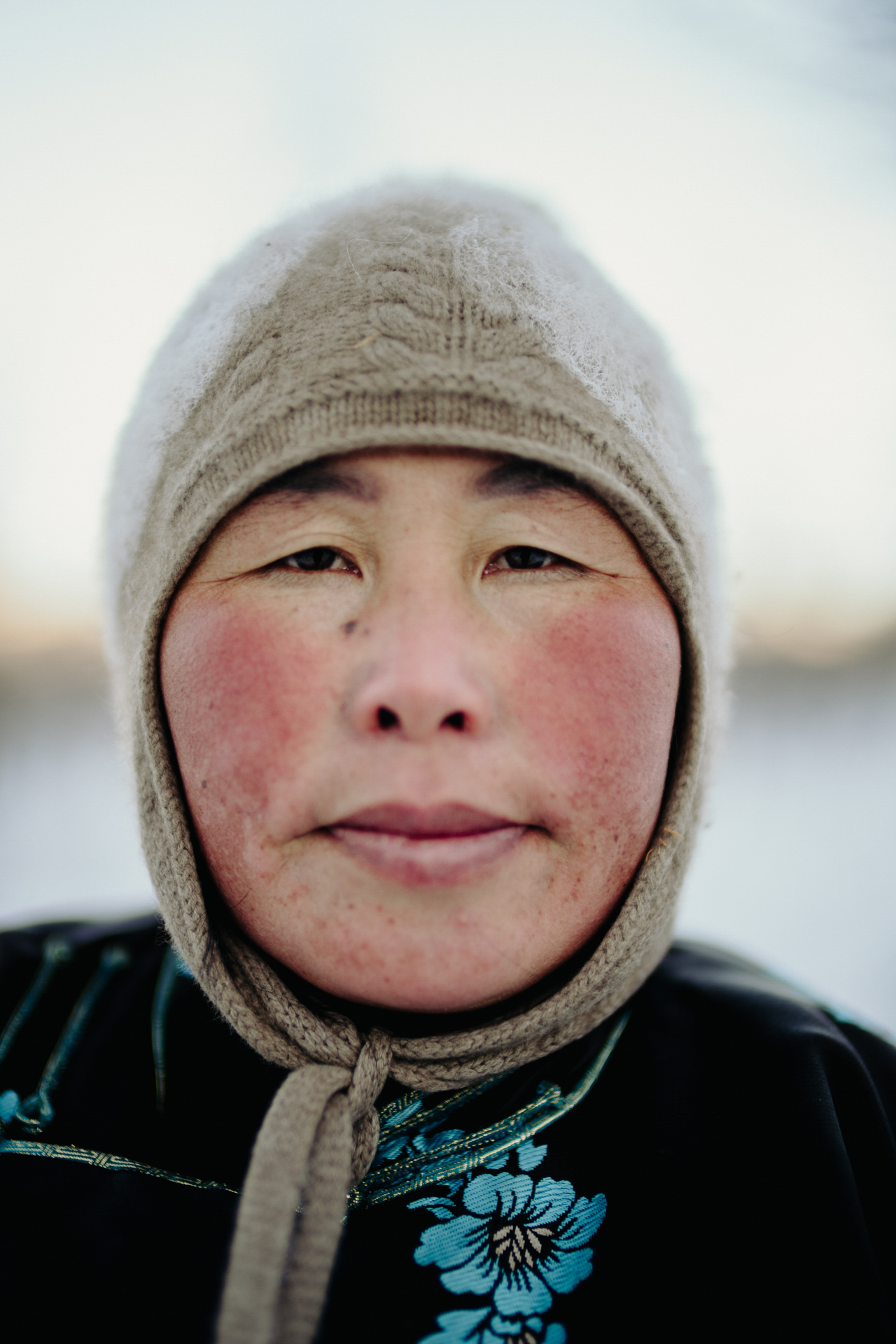
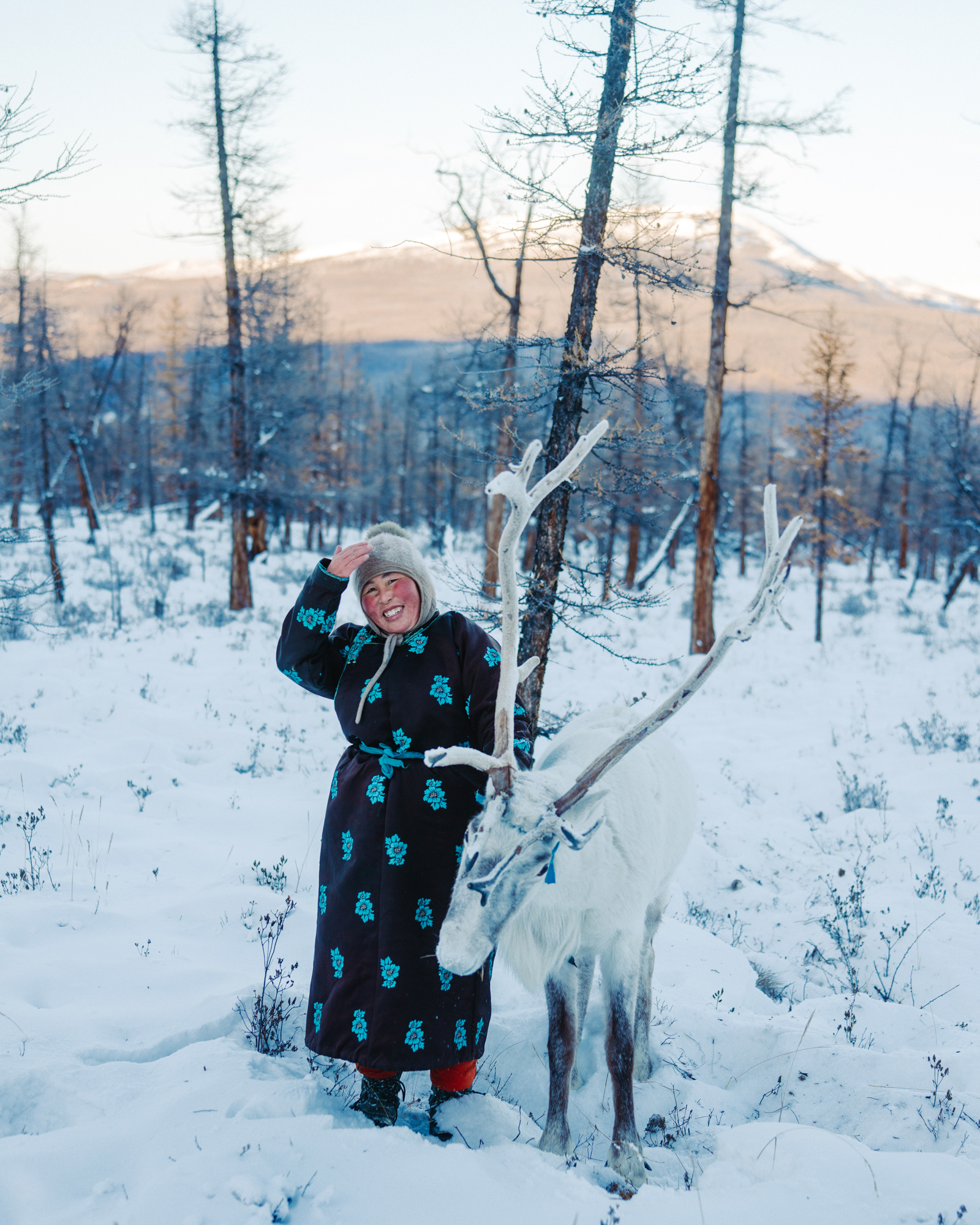
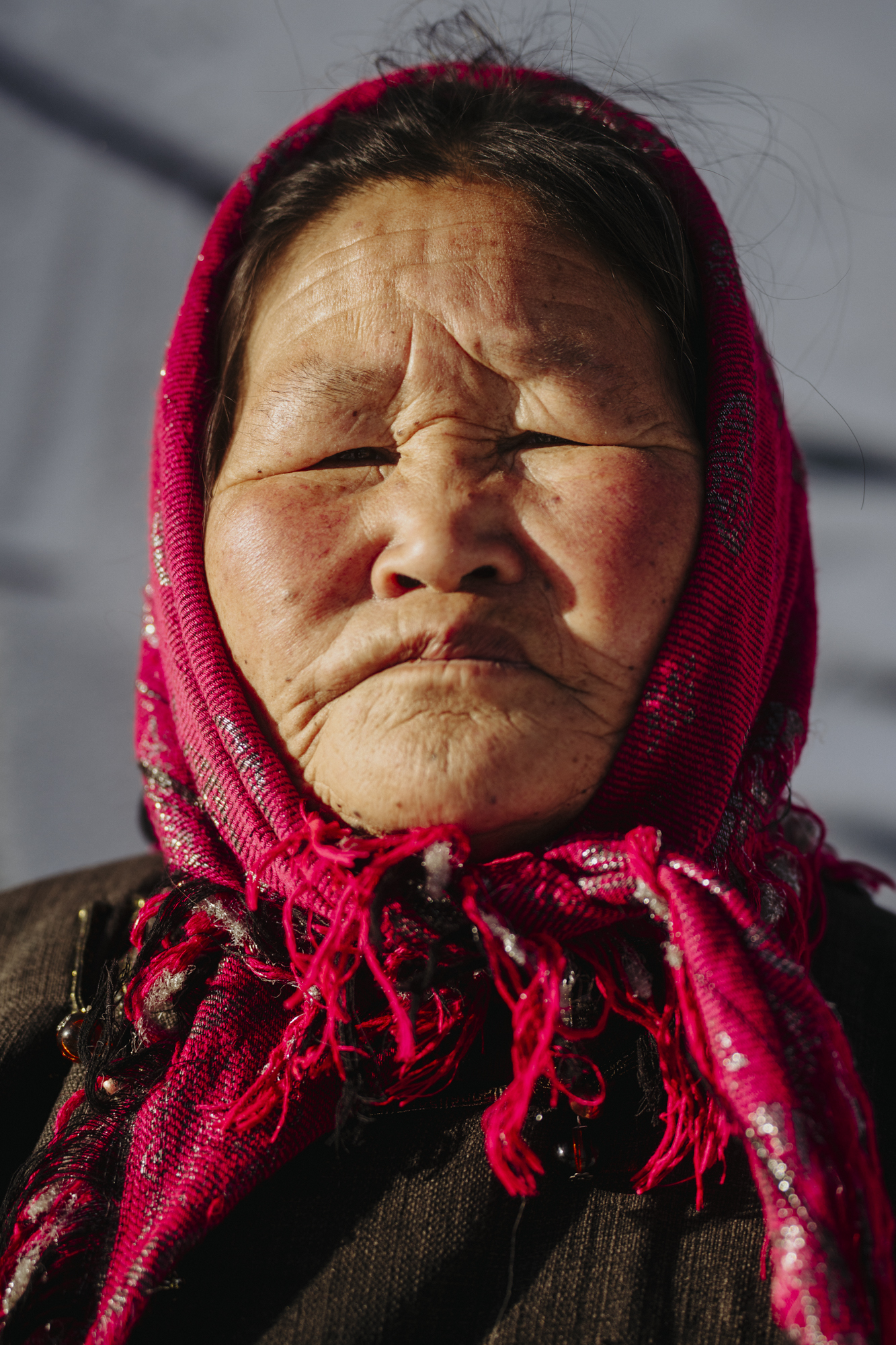
Within the tribe, spiritual life remains central. The woman pictured wearing a red scarf is Saintsetseg, the shaman of the tribe. Her role is to connect the community with ancestral spirits for guidance and to rid the camp of harmful forces. The woman wearing a beanie and a floral deel is her daughter, Halloi.
Today, the Tsaatan population has dwindled to fewer than 200 people. This series documents a small part of that community, from Temu, the youngest at five years old, to Ovogdorj and Dariimaa, the eldest couple, aged seventy and sixty eight. It also includes the younger generation. Under a mandate from the Mongolian government, Tsaatan teenagers are required to study in the nearest village, meaning they are separated from their families and the herd for most of the year. The young girl wearing a light blue deel is Zulaa, who is sixteen years old.
This project is ongoing. We will be returning this year to live with the Tsaatan once again, continuing to document their lives across seasons and time. As younger members of the tribe receive a modern education away from the Taiga, the future of the Tsaatan way of life remains uncertain. These portraits are not ethnographic records, but moments of presence shaped by hospitality, quiet resilience, and a culture existing at a fragile crossroads between continuity and change.
Explore More Photo Essays

Ian Pettigrew
Ian Pettigrew
Diego Baravelli
Diego Baravelli
Alain Schroeder
Alain Schroeder

Stefan Gröpper